







Search Results for: Costa Rica coffee beans
Costa Rica Diamond Mountain Estate Coffee Bean Review: An Analysis of Flavor, Aroma, and Mouthfeel Behind the Plump Beans
Coffee beans from Costa Rica's Diamond Mountain Estate have always been famous for their plump beans and outstanding sweetness, and Front Street Costa Rica coffee is a representative of bright, clear, and mildly acidic coffee. This article will systematically sort out the aroma and taste characteristics of this specialty coffee from multiple perspectives, including the terroir of the producing region, processing methods, and cupping flavors, and will also provide an in-depth introduction to the history and current state of Costa Rica's coffee industry. At the same time, it retains relevant product information from the Front Street brand to help coffee lovers more fully understand the unique charm of this bean. [more…]
A Complete Analysis of Costa Rican Coffee Regions: From the Eight Major Producing Areas to Starbucks' First Specialty Estate and the Carnet Musician Series
Although Costa Rica is not a large country in terms of land area, it has become a representative producing region of high-quality Arabica coffee in Latin America thanks to its fertile volcanic soil, mild climate, and abundant rainfall. Even Starbucks chose this country for its first specialty coffee farm. In this article, Front Street Coffee will guide you through Costa Rica's coffee-growing history and policy evolution, review the altitude, harvest season, and flavor characteristics of eight major producing regions including the Western Valley, Central Valley, and Tarrazu one by one, and focus on introducing the Musician Series from the Canet Estate in Tarrazu—the processing methods and flavor profiles of four beans: Bach, Mozart, Beethoven, and Chopin—to help coffee enthusiasts gain a more systematic understanding of this producing region and choose good beans that suit their taste accordingly. [more…]
Costa Rica La Minita Coffee Bean Flavor Analysis: Honey Processing and Tarrazú Region Characteristics
Costa Rica is renowned for its microclimates and diverse processing methods, among which honey processing is the key to its prominent sweetness. Front Street Coffee offers a variety of Costa Rican single-origin coffees in-store, including the Musician Series Chopin, Bach, Mozart, and others with raisin honey processing. This article will start with Front Street Bach coffee, analyzing how the pectin retention ratio in raisin honey processing affects flavor, then extend to the washed representatives of the Tarrazu region and the characteristics of Caturra and Catuai varieties, and finally include the complete profiles of Front Street's four Costa Rican beans to help coffee lovers choose according to their flavor preferences. [more…]
Costa Rica Tarrazu Coffee Region Analysis: Raisin Honey Process Mirasu Flavor, Brewing Parameters, and Growing Advantages
Costa Rica is world-renowned for its honey-processed coffee, and the Tarrazú region is among the very best. This article focuses on Front Street Coffee's Costa Rica Mirazu coffee, tracing the history of coffee cultivation in Costa Rica and the birth of the honey process, explaining in detail the difference between raisin honey processing and traditional honey processing, and introducing the terroir conditions, grading standards, and variety composition of the Mirazu estate in the Tarrazú region. It also includes Front Street's V60 pour-over extraction parameters to help coffee lovers gain a comprehensive understanding of this Costa Rican coffee that combines floral aromas with berry sweetness. [more…]
Analysis of Costa Rican Coffee Honey Processing and Flavor Guide to Front Street Coffee's Musician Series
Although Costa Rica is a small country, it occupies an important place on the global specialty coffee map thanks to its unique microclimates and diverse processing methods. From the perspective of Front Street Coffee, this article systematically reviews the origins of Costa Rican coffee, the core principles of the honey process, and the bright flavor differences brought by washed processing. The article focuses on several single-origin beans that Front Street currently sells—Costa Rican Bach, Beethoven, Chopin, Mozart, and others—covering their production regions, altitudes, varieties, and flavor descriptions, helping coffee lovers find a suitable choice based on their personal taste preferences. [more…]
Costa Rica Musician Series Coffee Beans: Flavor Profiles and Naming Stories of Mozart, Bach, Beethoven, and Chopin
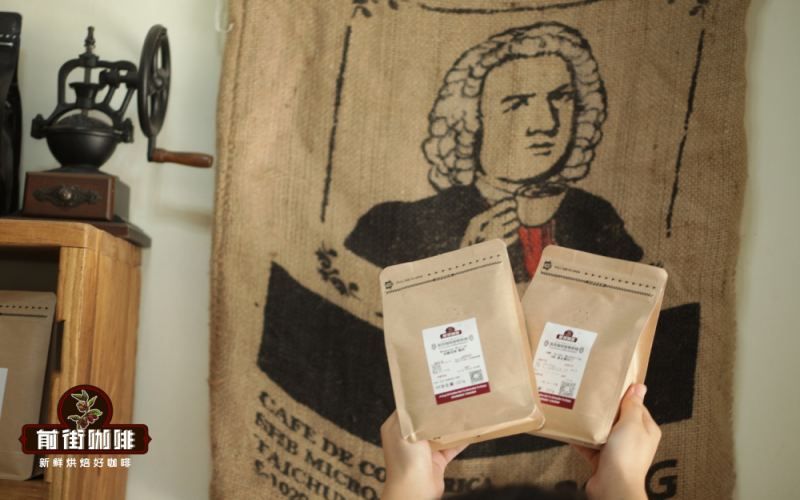
The Musician Series coffee beans produced in Costa Rica's Tarrazú region have attracted much attention in the coffee world thanks to their unique flavor expression and romantic naming. Front Street Coffee's Mozart, Bach, Beethoven and other coffee beans each correspond to the personality and temperament of a classical music master. These coffee beans come from Canet Estate and are processed using raisin honey or washed methods, presenting a complex flavor in which preserved-fruit-like sweetness, berry notes and floral aromas interweave. This article will introduce in detail the regional background, origin of the naming, flavor characteristics and brewing suggestions of the Musician Series coffee beans, taking you into this wonderful dialogue between taste and hearing. [more…]

Costa Rica Musician Series Coffee Beans: A Detailed Explanation of the Differences Between Honey Processing and Raisin Honey Processing
Costa Rica is world-renowned for its mild, smooth coffee with a balanced profile of acidity, sweetness, bitterness, and aroma, and its original honey processing method adds further layers of sweetness. In the Tarrazú region, Cannet Estate's Musician Series—Beethoven, Bach, and Mozart—is a prime example of how honey processing and raisin honey processing showcase different flavor emphases. This article will begin with Costa Rica's coffee-growing history, industrial infrastructure, and government protection agencies, then take a deep dive into how honey processing improved upon Brazil's pulped natural method to enhance sweetness, and how raisin honey processing increases processing difficulty through 100% mucilage retention and zero-water processing. Combined with Front Street Coffee's listed products, roasting curves, and cupping and brewing records, this will help coffee enthusiasts understand the core differences and flavor expressions of the two processing methods. [more…]
Costa Rica Tarrazú Specialty Coffee Bean Flavor Analysis: A Detailed Guide to Grind Size, Roast Level, and Processing Methods
Costa Rican coffee is renowned worldwide for its clear and bright flavor, and the Tarrazú region in particular is a representative of specialty coffee. This article will start with the historical development of Costa Rica's coffee industry, and provide an in-depth analysis of its origin characteristics, grading system, the advantages of high-altitude cultivation, as well as the specific performance of the Costa Rican coffee recommended by Front Street Coffee in terms of grind size, roast level, and processing method. Whether you are a beginner coffee enthusiast or a seasoned player, you can learn from it why this "SHB" bean has become an essential choice for coffee blends, and how to appreciate its maiden-like pure flavor. [more…]
Flavor Analysis and Pour-Over Parameter Guide for Honey-Processed Coffee from Costa Rica's Tarrazú Region
Costa Rica is world-renowned for its honey-processed coffee, with balanced acidity and sweetness and a rich fermented aroma, making it the traffic magnet for Front Street Coffee. This article starts with Costa Rica's coffee cultivation history and management system, sorts out the evolution from washed to honey processing, explains in detail the logic for distinguishing black honey, golden honey, red honey, yellow honey, and white honey, and takes the raisin honey-processed Geisha blend from Mirazu Estate in the Tarrazu region as an example to introduce its origin information, variety composition, and brewing parameters. Tarrazu accounts for about 35% of the country's coffee production and is a core specialty coffee region. This article also compiles its geographical and climatic advantages and green bean grading standards, making it suitable for coffee enthusiasts to systematically understand the flavor sources and pour-over approaches of Costa Rican honey-processed coffee. [more…]
An Analysis of the Pour-Over Flavor and Mouthfeel Characteristics of Costa Rican Geisha and Mirazu Natural Process Beans
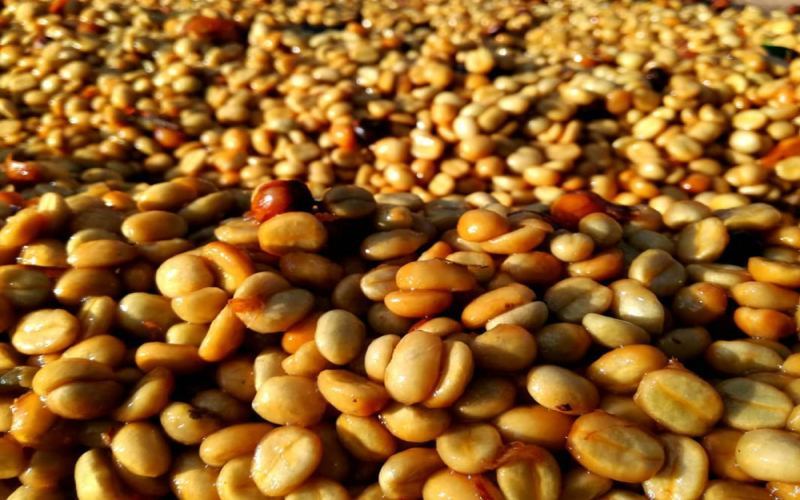
Costa Rica is renowned worldwide for its honey-sweet coffee flavors, and its honey processing technique is regarded as the industry benchmark. Since its founding in 2013, Front Street Coffee has introduced Costa Rican beans, which remain a signature choice for coffee lovers with a sweet tooth. This article systematically reviews Costa Rica's eight major producing regions, main coffee varieties, processing methods such as honey processing and raisin anaerobic honey processing, and highlights Front Street selected beans including the Mirazu Estate sun-dried Geisha and the Musician Series, taking you through a comprehensive understanding of the flavor code of this Central American coffee powerhouse. [more…]
Recommendations for Costa Rican High-Sweetness Coffee Beans: Analysis of Raisin Honey Processing Flavor Characteristics and Extraction Methods
Costa Rica occupies an important place in the global specialty coffee landscape thanks to its unique microclimates and diverse processing methods. Honey processing, especially raisin honey processing, gives coffee beans a pronounced sweetness and rich fruity flavors. Among the Costa Rican single-origin coffees served at Front Street Coffee, more than three are honey-processed beans, including the Musician Series Chopin, Bach, and Mozart. This article focuses on Costa Rica's high-sweetness coffee beans, introducing the principles behind raisin honey processing, its flavor expression, and suitable extraction methods, while also reviewing the representative Costa Rican beans offered by Front Street Coffee, to help coffee lovers make choices based on their flavor preferences. [more…]

Costa Rica Coffee Flavor Analysis: Tarrazú Region Characteristics, Varieties and Processing Methods, and Pour-Over Parameter Guide
Costa Rican coffee has always been known for its balanced and mild character, harmoniously combining acidity, sweetness, and chocolatey bitterness, making it a steady and classic representative among American coffees. From the bean-selection perspective of Front Street Coffee, this article systematically reviews Costa Rica's growing environment, the distribution of its eight major producing regions, key varieties such as Bourbon and Caturra, and the differences between two processing methods: washed and honey. It also includes specific pour-over parameters for several Front Street single-origin coffees—Costa Rica Tarrazu, Mirazu, Mozart, and Baja—to help coffee lovers recreate a clean and smooth Costa Rican flavor at home. [more…]
A Complete Analysis of Costa Rican Coffee Regions: From Tarrazú to Tres Ríos—The Specialty Flavors and Geographic Codes
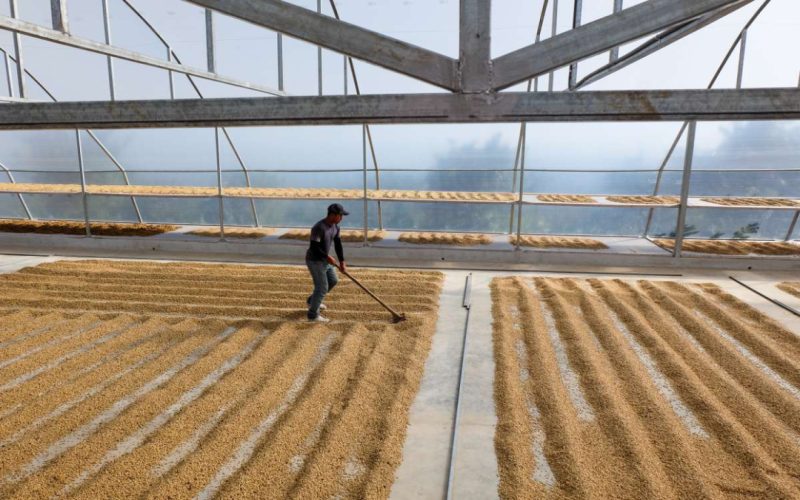
Costa Rica is one of the earliest countries in Central America to cultivate coffee, and is known for legally prohibiting Robusta and growing only Arabica. From the first coffee seedling planted in 1779 to today's scattered eight major specialty regions, this land nourished by volcanoes and oceans has produced internationally recognized "golden beans." This article will guide you through the historical thread of Costa Rican coffee, explain in detail the terroir characteristics of core regions such as Tarrazú and Tres Ríos, and recommend Front Street Coffee's everyday beans series, providing coffee lovers with a practical regional guide. [more…]
Analysis of the Flavor, Origin Background, and Pour-Over Brewing Plan for Costa Rica Tarrazú San Román Washed Coffee Beans
Costa Rica's Tarrazu region is renowned for its exceptional natural conditions and is widely recognized as a top-tier coffee-producing area. The San Roman processing plant, located in this region, primarily uses the washed process, and its coffees display intense, rich flavor profiles with a full body. Front Street Coffee's Costa Rica San Roman Royal Coffee comes from here, and after medium-dark roasting it presents a complex aroma of berries, caramel, cream, and delicate spices. This article will outline the terroir background of the Tarrazu region, the graded fermentation process at the San Roman processing plant, and the development trajectory of Costa Rica's coffee industry, along with the specific parameters for Front Street's pour-over brewing of this bean for coffee enthusiasts' reference. [more…]
Costa Rica Central Valley Black Pearl Coffee Beans: Traceability, Flavor Analysis, and Brewing & Roasting Parameter Guide
Costa Rica is famous for its honey processing, but Front Street Coffee also brings sun-dried Central Valley Black Pearl and Red Pearl, showcasing fermented aromas, caramel, and fruity notes. This article starts with the history of Costa Rican coffee and its eight major producing regions, then details the Central Valley terroir, the characteristics of the Caturra and Catuai varieties, and the altitude grading system. It also takes an in-depth look at Las Lajas Estate and Sonora Estate, analyzing their special sun-dried and sun-dried processing flows. At the same time, it shares Front Street's brewing ideas for Black Pearl and Red Pearl as well as the Red Pearl roasting curve, providing a complete reference for coffee enthusiasts. [more…]
Flavor Analysis of Costa Rica Musician Series Coffee Beans: The Characteristics and Stories of Beethoven, Mozart, Chopin, and Bach
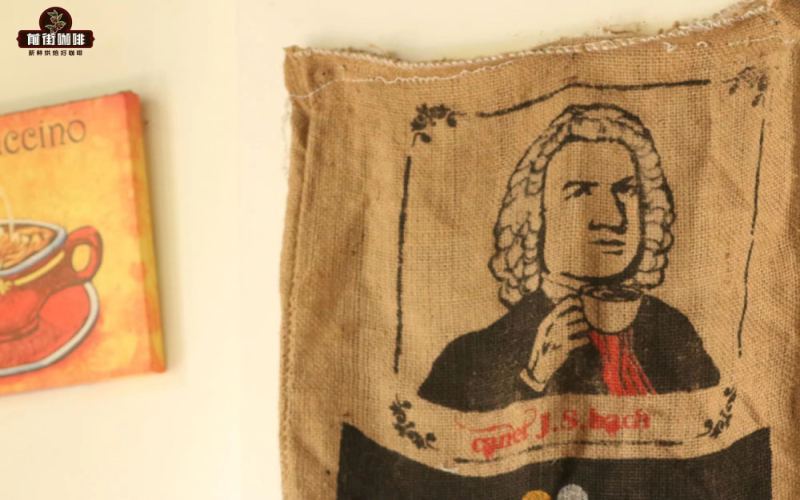
Costa Rica is famous for its sweet, mild coffee flavor with rich acidity, which is closely tied to its unique honey processing method. Among these, the Musician Series from Canet Estate is particularly special, and Front Street Coffee believes that the flavor variations of these coffees are like leaping musical notes. This article will provide a detailed introduction to the origins, altitudes, varieties, processing methods, and flavor characteristics of Front Street Coffee's Costa Rica Mozart, Bach, Beethoven, and Chopin coffee beans, and will also tell the story of the birth of the Musician Series, including the growing conditions of Canet Estate, Costa Rica's coffee bean grading system, the characteristics of the Caturra and Catuai varieties, and the complete processes of raisin honey processing and washed processing, helping coffee enthusiasts choose the Musician Series coffee beans that suit them. [more…]
Exploring the Origins of Costa Rican Specialty Coffee Beans: A Full Analysis of Pour-Over Extraction and Flavor Profile
Costa Rican coffee is renowned for its plump beans, bright acidity, and intense aroma. The volcanic soils of Tarrazú and the Central Highlands nurture high-quality coffee known as "Strictly Hard Bean." This article reviews its two-hundred-year growing history, scientific research and breeding system, SHB grading standards, and the characteristics of major producing regions, along with the key steps and considerations for pour-over extraction. If you want to try a Costa Rican bean that combines clear flavors with a lasting finish, Front Street Coffee's everyday beans and advanced lots are worth noting. Whether you are a pour-over enthusiast just starting out or a roaster looking for a comprehensive coffee base, you can find practical references here. [more…]
Costa Rica Coffee Garden Estate: A Comprehensive Interpretation of the Flavor Characteristics of Washed Green Beans
Costa Rica is an important coffee-producing country in Central America, home to numerous specialty coffee estates, and Finca Coffee Garden is one of them. Since its establishment in 1989, this estate has earned high recognition in both national and international COE competitions in 2008, thanks to its superior geographical environment and continuous technological investment. Even more remarkable is that some Red Catuai and Yellow Catuai coffee trees on the estate spontaneously mutated, producing rare orange fruits that have drawn widespread attention from the international coffee community. This article will guide you through the development history of Finca Coffee Garden, outline Costa Rica's coffee-growing history, the distribution of its eight major production regions, the characteristics of its main varieties, and its grading system, and include Front Street Coffee's brewing recommendations, providing coffee enthusiasts with a complete reference guide. [more…]
A Detailed Guide to Costa Rica's Musician Series Coffee: Tracing the Origins of the Mozart Bean Variety and Pour-Over Parameters
Costa Rican coffee is renowned for its prominent sweetness, bright acidity, and smooth mouthfeel, and the Musician Series from Canet Estate is particularly special. This article will systematically review the flavor characteristics of four Front Street Coffee beans—Mozart, Bach, Beethoven, and Chopin—and provide an in-depth analysis of Canet Estate's growing conditions, the SHB (Strictly Hard Bean) grading standard, and the origins of the three major varieties: Caturra, Catuai, and H1. At the same time, the article will break down the specific processes of raisin honey processing and washed processing, helping you understand the craft logic behind the flavor differences in the Musician Series and providing a reference for choosing Front Street Coffee beans that suit your own taste. [more…]
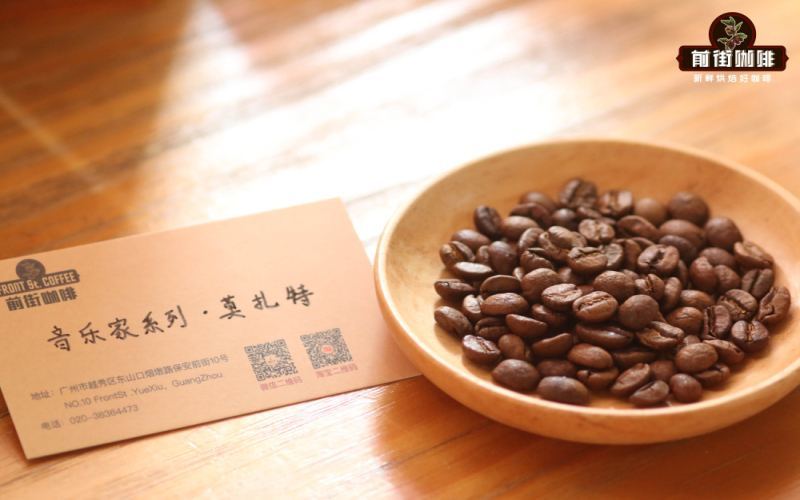
Costa Rican Coffee Bean Regions, Varieties, and Flavor Characteristics: Eight Major Producing Areas Including Tarrazú and Front Street Recommendations
Costa Rican coffee has long been renowned for its rich body and bright acidity, making it one of the representatives of high-altitude specialty Arabica. This article systematically reviews the country's main producing regions—Tarrazú, Monte Criso, Alajuela, Cartago, Heredia, and Tres Ríos—and introduces cultivars such as Typica, Caturra, Catuai, Villa Sarchi, Bourbon, and Gesha, as well as washed and drum-dried processing methods. The article also includes purchasing suggestions for Front Street Mozart, Front Street Strawberry Candy, and Front Street Tarrazú, helping coffee enthusiasts gain a comprehensive understanding of the flavor characteristics of Costa Rican coffee and how to choose it. [more…]